

-2025-07-11-06-46-49.webp)

Last updated on 2025-09-21
In the shade of trees and the timeless silence, in the very heart of the spa town, lies one of the oldest places of remembrance in Szczawnica. The Szalay Cemetery, also known as the Old Cemetery, is not only a necropolis but also a witness to the birth and growth of one of Poland’s most famous health resorts. Here rest those who shaped its identity, as well as spa visitors for whom the Pieniny Mountains became the final stop.
The oldest documented burial in this cemetery dates back to 1830. The site was established as a result of Josephine reforms, which prohibited burials in the centers of towns and villages. Consequently, the community of Szczawnica moved the burial grounds outside the main settlement, to an undeveloped area near the Grajcarek stream.
In the 19th century, Szczawnica developed into a fashionable spa town, attracting visitors from across Europe. Over time, the cemetery became not only the family tomb of the Szalay lineage but also the resting place of spa patients who died during treatment. This gave the necropolis a unique character, intertwining local history with the fate of visitors from afar.
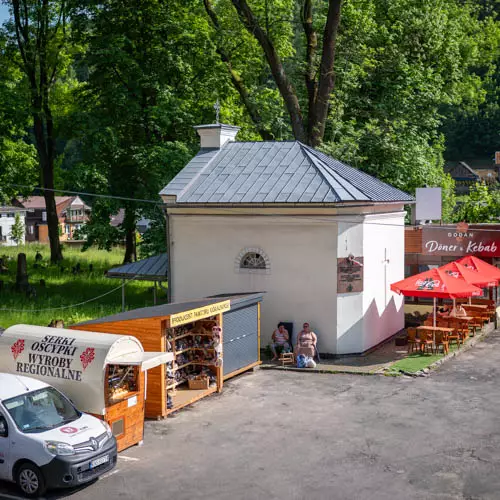
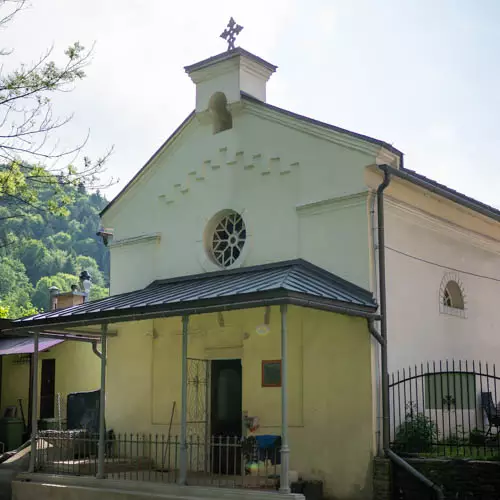
At the entrance to the cemetery stands the Szalay Chapel, a modest masonry structure with a distinctive commemorative plaque. The inscription, in both Polish and Hungarian, honors Józef Szalay (1802–1876), the founder of the spa and initiator of rafting on the Dunajec. Szalay himself rests within this chapel.
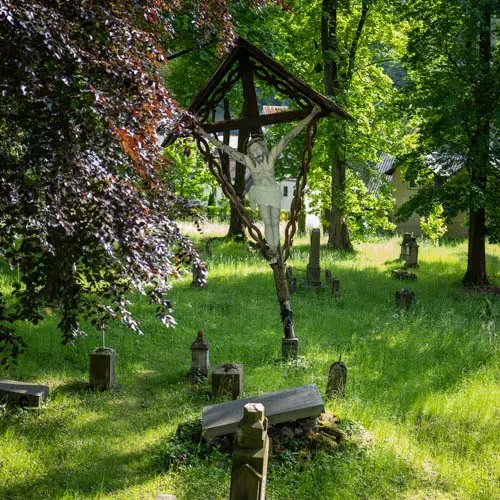
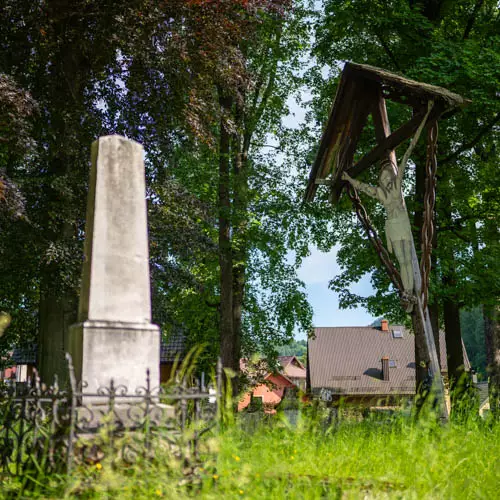
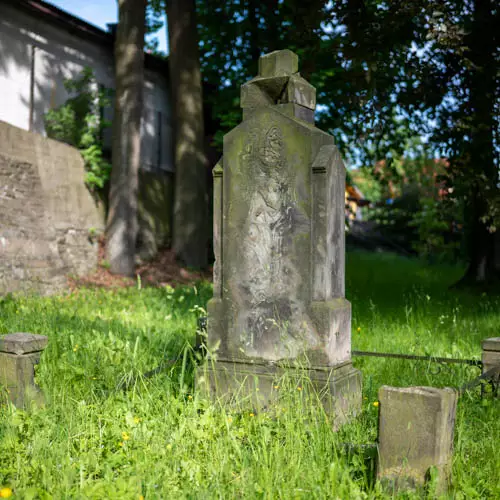
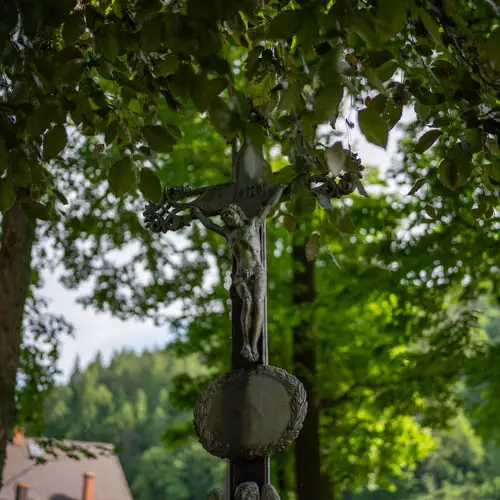
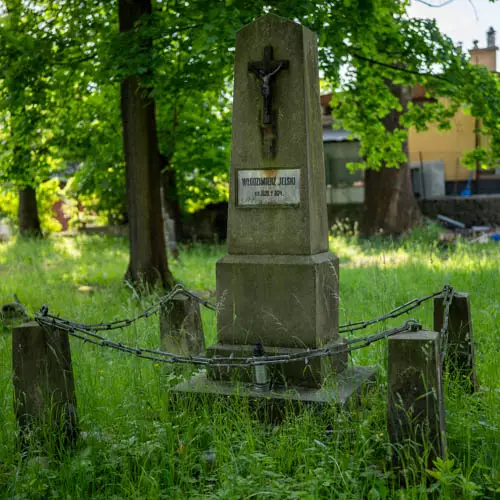
The surroundings of the chapel form a picturesque scene: an old wall, solitary crosses, gravestones of iron and stone, and a large wooden crucifix. All of this is embraced by natural vegetation, which, together with history, creates the site’s unique atmosphere.
The cemetery served as a burial ground until the end of the 19th century, after which it was closed. Today, it functions as a necropolis of memory, one of the few spa cemeteries in the region.
After years of neglect, the cemetery grounds have been included in renovation works, which involve restoring the chapel façade, conserving the tombstones, and making the site accessible to visitors. Thanks to local and community initiatives, the cemetery has gained a new role as part of the cultural heritage of the Pieniny region.
Visiting is possible daily, free of charge, and it takes only a few minutes to walk here from the town center. Although most of the tombstones bear no inscriptions, it is worth pausing by the chapel and reflecting on the history of this place, which witnessed not only death but also the growth of the spa.
The Szalay Cemetery is a unique example of a small yet significant spa necropolis. Modest in form but profound in meaning, it allows one to experience history not through dates but through the atmosphere of the place. For the visitor, it is not just a point on the map but a space of memory and reflection, readily accessible.